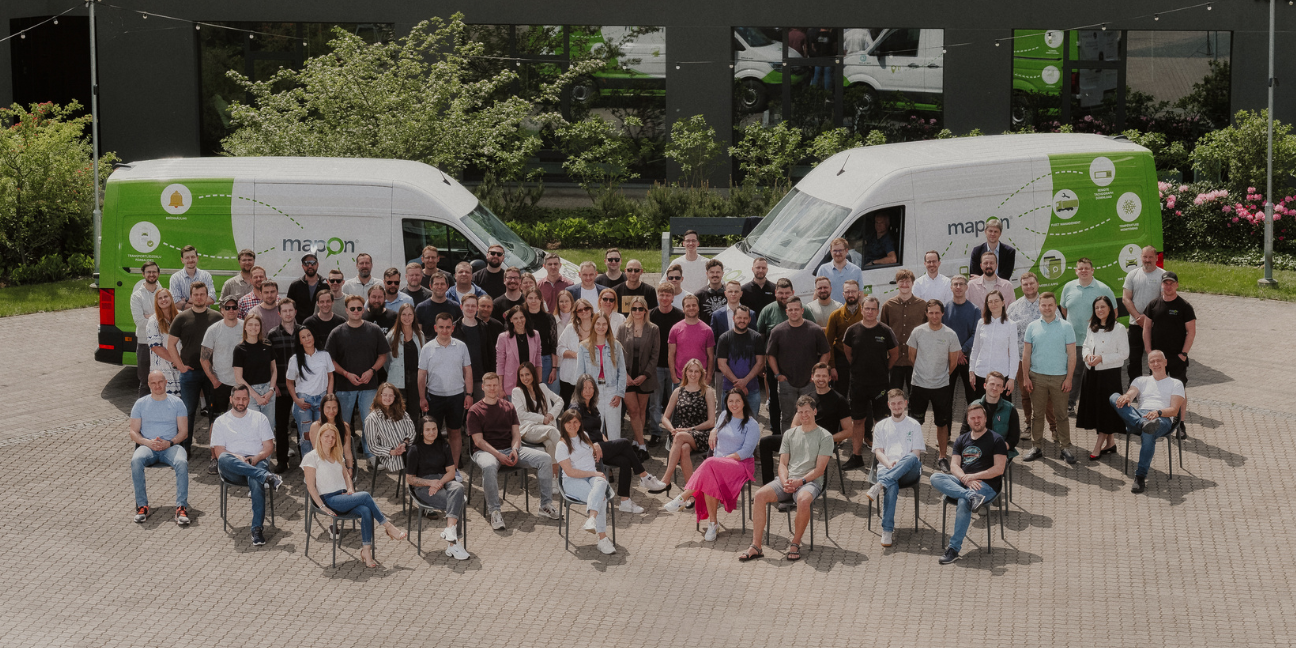
Giving employees flexibility over where and when they work also means giving them the tools to find a healthy balance. That matters at Mapon, one of Northern Europe’s leading fleet management and asset tracking solution providers. With more than 20 years in business, 35,000+ active clients, and over 400,000 vehicles using its solutions, the company has grown into an international operation with teams and offices across Europe.
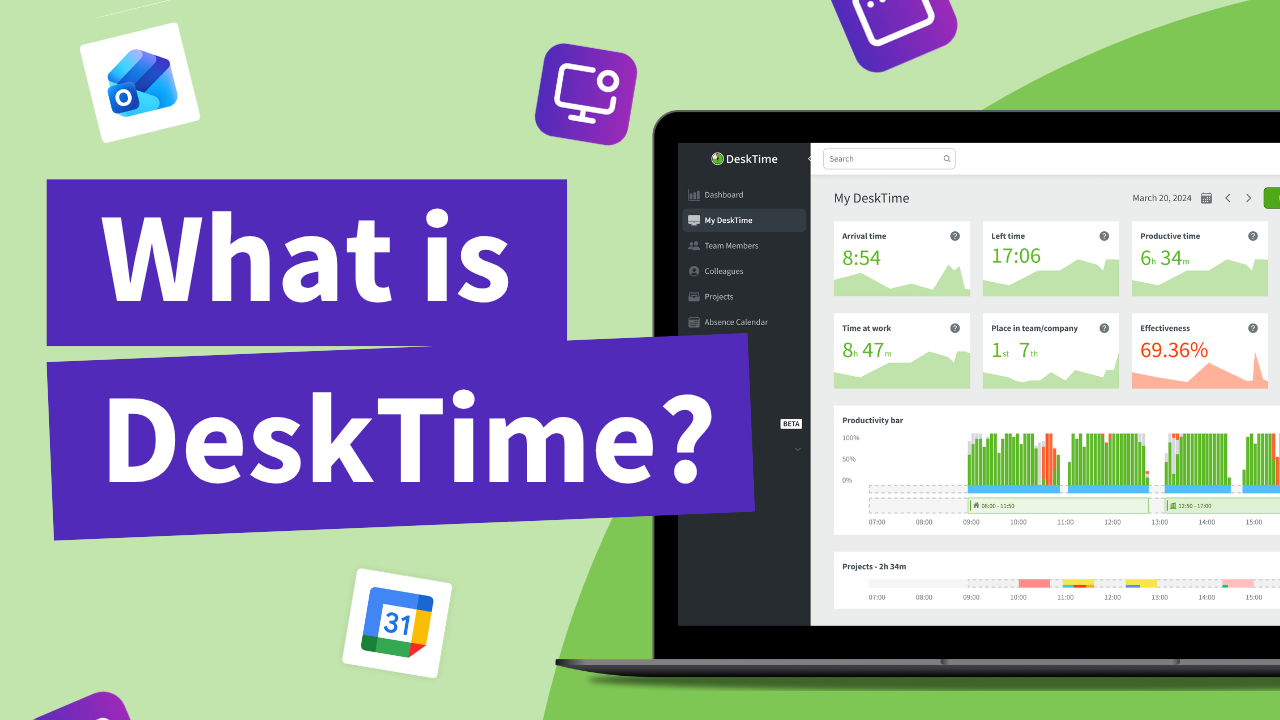
Hybrid work and flexible hours are part of that environment, particularly in Latvia, where much of Mapon’s development team is based. DeskTime helps employees keep track of their own hours and working habits, while giving managers useful visibility into capacity and workload when they need it.
Rather than using DeskTime primarily to monitor performance, Mapon sees it as a way to support self-accountability and maintain a healthy balance. Employees have the freedom to organize their work, while both they and their managers have a clearer picture of when workloads may need adjusting.
How can time tracking tools help with capacity planning?
Elizabete, part of Mapon’s People team, says one way Mapon uses DeskTime is to understand whether employees’ workloads match their available capacity.
Managers are not expected to constantly monitor DeskTime, and HR doesn’t routinely follow individual employee data either. Instead, team leads decide when the information is useful, with some choosing to review it weekly.
Recently, DeskTime helped highlight two very different situations at Mapon.
“One of our team leads noticed that one employee had been working fewer hours than expected,” Elizabete tells us, “while another had been working significantly more. Both were signs that it was worth taking a closer look at their workloads.”
Having this visibility makes it easier to spot when someone may have room to take on more or, on the other hand, may already have too much on their plate. It gives managers a reason to check in and address potential workload imbalances before they become a bigger issue.
Is time tracking software useful for office teams?
DeskTime is just as useful for office teams as it is for hybrid or remote teams. Even in the office, where you can physically see people working, it can be difficult to tell where the workday actually goes. A task that seems like it should take an hour can easily turn into several once you factor in research, preparation, and revisions.
Elizabete gives an example from her own work:
“I might agree to make a presentation, thinking, ‘Sure, that’ll be quick.’ But then I look at DeskTime at the end of the day and realize I’ve actually spent three or four hours in that presentation file. I wasn’t working on it the whole time, but I kept coming back to it between other things, doing research and putting everything together.”
It’s especially easy to lose track of in an office environment. Meetings, quick questions from colleagues, conversations, and switching between tasks can break up the day, making it harder to judge how much time a task actually took. But having that visibility also helps with planning ahead, Elizabete says:
“Then the next time someone asks me to make a presentation, I have a much better idea of what I’m agreeing to. I know it’s probably not going to be a super quick task, so I can plan for it more realistically and be more careful about how much else I take on.”
Can time tracking support flexible work?
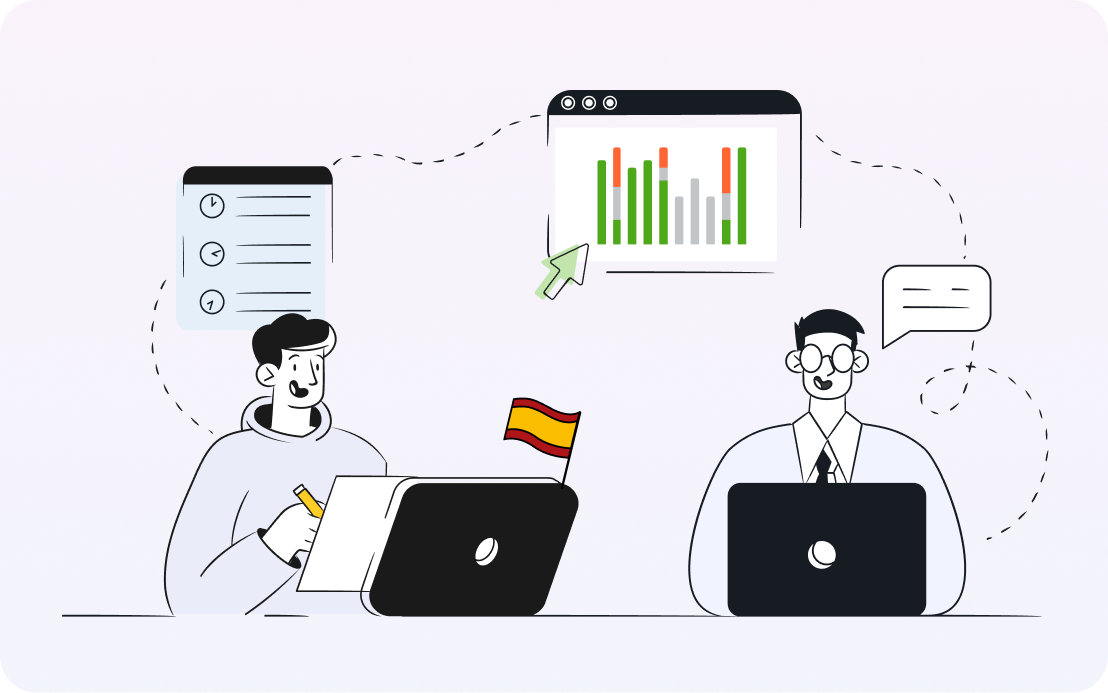
Ultimately, Mapon uses DeskTime less as a tool for managers to monitor their teams and more as a self-accountability tool for employees. With flexible working hours, people have the freedom to organize their days, while DeskTime gives them an easy way to keep track of their own work hours and productivity.
And that flexibility is quite literal. Employees may start their day as late as 11:00, and rather than having to work the exact same hours every day, they can balance their working time across the week. DeskTime makes that easier to manage, whether that means taking a break during the day, working a little less one day, or making up the time on another.
“For us, DeskTime helps make flexible work easier to manage. People can organize their days in a way that works for them, but they can also see for themselves whether they’re keeping a healthy balance. It helps you know when you need to put in a little more time, but also when you’ve done enough, and it’s time to stop,” Elizabete says.
This reflects Mapon’s broader approach to a balanced work environment. DeskTime is introduced during onboarding as a productivity and self-accountability tool, helping employees enjoy flexibility while still having a clear view of their own working habits. Managers have that visibility when they need it, but for most employees, DeskTime is primarily a tool for keeping themselves on track.
That approach is supporting a team within a business that continues to grow. In 2025, Mapon’s revenue reached EUR 24.2 million, up 22.8% year over year. As the company continues to expand, having tools that help preserve flexibility, visibility, and balance becomes all the more valuable.